How to Waterproof the Stuff You Carry on a Scooter
You're cruising through KL on your scooter when dark clouds roll in. Minutes later, you're soaked—and so is everything in your bag. For Malaysian riders, sudden thunderstorms are a daily risk. Mastering waterproofing isn't just about comfort; it's about keeping your valuables safe. From essential gear to clever DIY tricks, this guide covers practical, budget-friendly ways to shield your belongings from the rain.
Why Waterproofing Matters for Scooter Riders
In Malaysia, tropical downpours can arrive with little warning, turning a dry commute into a soaking challenge in minutes. Unlike cars, scooters leave your belongings fully exposed to the elements, whether they’re in an open basket, strapped to the rear seat, or hanging from a hook. A sudden rainstorm can soak through a backpack, drenching work documents, electronics, or a change of clothes before you even realise what’s happening. Many riders learn this lesson the hard way, only reaching for waterproof bags or covers after something important gets ruined. Taking a few simple precautions ahead of time can save you from frustrating, costly damage and keep your daily ride carefree, no matter what the sky decides to do.
Types of Waterproof Gear You Can Use
Fortunately, there’s a wide range of purpose-built waterproof gear to keep your belongings dry while riding a scooter in Malaysia’s unpredictable weather. These solutions vary in capacity, ease of use, and mounting style, so you can pick what suits your daily commute or weekend trips best.
- Waterproof backpacks with roll-top closures: These are a favourite among riders who prefer wearing their load. The roll-top design creates a watertight seal when folded down and clipped, and many are made from tough, PVC-coated fabrics. Look for models with padded shoulder straps and a breathable back panel for comfort in our heat.
- Dry bags that attach to the seat or rack: If you don’t want to carry weight on your back, a dry bag secured to the pillion seat or a rear rack is a brilliant solution. They come in various sizes, and most have lash points or straps. Simply roll and clip the top, then strap it down—ideal for groceries, spare clothes, or a laptop.
- Rain covers for existing bags: Already have a favourite backpack or messenger bag? A universal rain cover made from waterproof nylon or polyester can slip over it in seconds. The elasticated edge helps it stay put, and many come with a reflective strip for added visibility during sudden downpours.
- Waterproof phone cases and pouches: Your phone and wallet need quick access but also total protection. Transparent, touch-sensitive pouches allow you to use your phone for navigation even in heavy rain. Small dry pouches with a clip or lanyard are perfect for keeping keys, cash, and cards safe.
- Hard cases and top boxes with seals: For ultimate protection and security, a lockable top box or hard pannier with a rubber gasket is unbeatable. These are designed to withstand rain and splashes, and they can carry a helmet when you park. Many are easily detachable, making them a practical long-term investment for daily riders.
DIY Waterproofing Hacks for Budget Riders
Sometimes, the best waterproofing solutions are already in your home. Here are a few low-cost hacks to keep your gear dry without spending much.
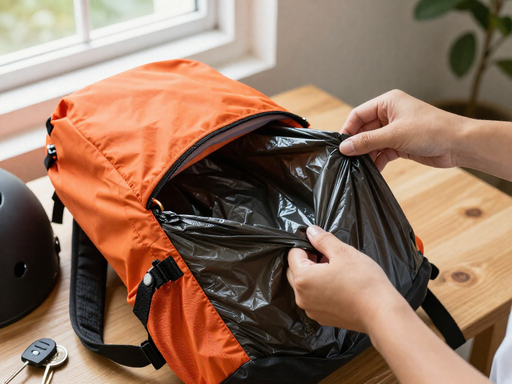
First, line your bag with a heavy-duty trash bag before packing your items. This simple liner keeps rain from seeping in through seams or zippers.
For smaller electronics or documents, large ziplock bags are a writer’s best friend. They provide a reliable seal and can be reused.
If you have a fabric bag, consider applying a waterproofing spray available at local hardware stores. A couple of coats can make a noticeable difference.
For homemade covers, silicone sealant works well to seal seams. Run a thin bead along the stitching and let it dry completely.
Finally, if you use an open basket, a clear shower curtain makes a perfect poncho cover. Just drape it over and secure with elastic cords or clips. It’s transparent, so you can still see your load.
Packing Strategies to Keep Things Dry
Even with a sturdy waterproof bag, the way you arrange your belongings can mean the difference between dry valuables and a soggy mess. Adopting a layered packing method gives you multiple lines of defense against rain and splashes.
Start by identifying your most water-sensitive items—your phone, wallet, passport, or any electronics. Place these in a small, sealed dry bag or a heavy-duty zip-lock bag first. This inner wrap is your primary shield. Next, put that bundle inside your main luggage. If your scooter bag or backpack comes with a removable liner, use it: tucking your items into the liner adds an extra membrane between your gear and the outside world. Finally, cover the entire bag with a waterproof rain cover or even a simple plastic poncho if you’re caught unprepared. This outer layer takes the brunt of the rain.
Always pack a microfibre towel or a small cloth on top of everything. It will absorb any condensation or accidental drips that find their way through zippers, especially during heavy tropical storms. Resist the temptation to overfill your bags—when a bag is stretched tight, zippers can leave tiny gaps that invite water in. A relaxed bag closes fully and resists leaks better. And because Malaysian weather can shift from sunny to torrential in minutes, make it a habit to carry a compact emergency rain cover that fits over your entire pack. It’s a cheap, lightweight add-on that can save your gear when you’re far from shelter.
Maintenance Tips for Waterproof Gear
Proper maintenance keeps your waterproof gear performing well and lasting through many rainy seasons. After a wet ride, always rinse off mud and grime with clean water, then let everything dry completely in a well-ventilated area away from direct sun. This prevents mildew—a common problem in Malaysia’s humid climate.
For items with a durable water repellent (DWR) coating, like jackets or waterproof bags, the finish will slowly wear off. Reapply a suitable spray-on or wash-in treatment every few months, or as soon as you notice water no longer beading on the surface.
Regularly check all seals, zippers, and closures for cracks, stiffness, or loose seams. A stuck or damaged zipper can let water in, so lubricate zippers with a wax stick and repair rips promptly with seam sealant.
When storing, avoid keeping damp rain gear in your scooter’s under-seat compartment for extended periods. Instead, hang it loosely or keep it in a breathable stuff sack separate from your dry belongings to stop mould growth and odours.
FAQ
Can I ride a scooter in heavy rain safely?
Heavy rain is risky; reduce speed and maintain distance. Use good tires, a raincoat, and a full-face helmet with anti-fog. Avoid flooded roads and seek shelter if visibility is too low.
What is the best waterproof bag for a scooter in Malaysia?
Look for roll-top dry bags (20-30L) from brands like Ortlieb or local outdoor shops. For everyday use, consider a waterproof backpack or a seat-bag with welded seams. Ensure it has reflective details for visibility in rain.
How do I waterproof my laptop while riding?
Use a dedicated waterproof laptop sleeve inside a dry bag or backpack. Double-bag by placing it in a ziplock bag as an extra layer. Never rely solely on a 'water-resistant' backpack; always seal electronics in waterproof layers.
Are scooter rain covers for the whole vehicle worth it?
They're useful if you park outdoors often, protecting the seat, electronics, and paint from rain and sun. A half-cover is easier to handle; ensure it's breathable to prevent moisture trapping. It's a good investment for long-term maintenance.
How do I dry my wet gear after riding in the rain?
Hang gear in a well-ventilated area away from direct heat. Wipe down helmets and boots, remove insoles, and stuff with newspaper to absorb moisture. Never dry items in a closed, damp space; use a fan or dehumidifier for quicker drying.