Riding to Work in the Rain Without Arriving Soaked
Nothing kills the joy of a morning ride like a sudden tropical downpour—especially when you have a full workday ahead. You check the sky, it looks fine, then ten minutes in, you're drenched. But with the right gear and a few clever habits, you can beat the rain and arrive at the office dry, composed, and even on time. Here’s your no-soak commuting playbook.
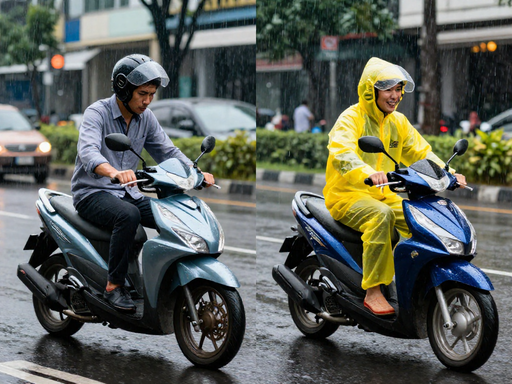
1. The Right Rain Gear: From Helmet to Shoes
Getting caught in a sudden downpour on your way to work is practically a rite of passage for Malaysian riders. The key to staying dry isn’t just any raincoat—it’s a system that works from head to toe.
One-Piece vs Two-Piece Rain Suits
For daily commutes, a two-piece (jacket and trousers) usually wins. It’s easier to slip on over your work clothes, especially in a cramped office parking lot, and you can wear just the jacket for light drizzle. One-piece suits offer better overall coverage and are quicker to put on once you get the hang of them, but they can be a hassle if you need a bathroom break mid-commute. Look for suits with reflective strips—early morning rain often means low visibility.
Choosing Materials That Handle Tropical Heat
PVC suits are cheap and fully waterproof, but they turn into a sauna after ten minutes. For anything longer than a short ride, nylon or polyester with a waterproof backing (like PU or TPU) breathes better and resists tearing. Ventilated panels under the arms or across the back make a huge difference in our humidity. Avoid thin, non-breathable ponchos that flap dangerously at speed—they trap moisture and can snag on parts of your bike.
Keeping Your Feet Dry and Safe
Soggy socks ruin any workday. Waterproof shoe covers are compact and affordable, but make sure they have a non-slip sole so your feet stay planted on wet pegs. For frequent riders, gumboots or dedicated waterproof riding shoes offer better ankle protection and grip. If you opt for shoes, check that the sole compound doesn’t harden when cold—it should maintain grip on metal footpegs.
Gloves and Helmet Add-Ons
Even with a rainsuit, wet hands get cold quickly, and numb fingers compromise control. Waterproof over-gloves pack small and slip over your regular gloves, though some riders prefer a single waterproof glove. For your helmet, an anti-fog visor insert or Pinlock system is a game-changer. During heavy rain, brake lights and traffic signals blur, so keeping your vision crisp is non-negotiable.
Where to Find Quality Gear in Malaysia
You don’t need to spend a fortune. Online platforms like Lazada and Shopee stock reputable brands such as Givi, RS Taichi, and Komine—just verify the seller’s rating and check reviews for true waterproofing. Local motorcycle accessory shops often carry these brands, and you can try before you buy. Avoid unbranded “miracle fabric” suits from pasar malam; they delaminate after a few washes. A little investment here means arriving at the office dry, comfortable, and ready to tackle the day.
2. Packing Smart: Keeping Your Work Essentials Bone Dry
Even the best rain gear can occasionally let moisture through at seams or cuffs, so protecting what you carry is just as critical. The first rule is to ditch a regular backpack for a purpose-built waterproof backpack or a roll‑top dry bag designed for immersion. These keep water out even in torrential downpours and are worth the investment for daily commuters.
If a new bag isn’t on the cards, the double‑bagging trick is a proven lifesaver. Line your main bag with a heavy‑duty bin liner, then place your work clothes inside a separate ziplock or small dry sack. This extra barrier stops any water that seeps into the outer bag from reaching your fresh shirt and trousers.
Electronics need their own fortress. Slip your phone and wallet into a dedicated waterproof pouch that you can tuck inside your jacket or bag. Toss in a couple of miniature silica gel packets to absorb ambient moisture, especially if your bag gets humid after the ride.
Organisation prevents soaked surprises. Store your rain jacket or poncho on top of everything else or in an external pocket. That way, when you open the bag in the rain, you aren’t dripping water onto your dry items.
Many Malaysian riders rely on top boxes, which can be weather‑resistant but not always waterproof. Check the rubber seal for cracks and tighten the lid. As a failsafe, pack everything inside a lightweight dry sack inside the box — it’s cheap insurance against leaks on a stormy morning.
3. Taming the Wet Roads: Riding Techniques That Keep You Shiny-Side Up
When the skies open up, the road surface transforms. The first few minutes of rain are the most dangerous, as oil and grime float to the top, creating a slick film—especially at traffic lights and toll plazas. Riding smoothly is key. Roll on the throttle gently and brake progressively, with much more rear brake than you'd use in the dry. A sudden grab or hard downshift can lock the rear wheel and send you sideways. If your scooter or bike has a clutch, early, rev-matched downshifts help keep the chassis stable.
Increase your following distance to at least double what you normally run. On wet tarmac, braking distances can triple, so give yourself plenty of room to react. That means dropping back from the car ahead and scanning further up the road for brake lights or hazards.
Road markings, manhole covers, and railway crossings become deceptively slippery when wet—almost like ice. Whenever you can, ride around them. If you must cross, keep the bike as upright as possible, maintain a steady throttle, and avoid any sudden steering inputs. The same goes for painted arrows and lane lines; treat them with respect.
Puddles are not just water. They can hide deep potholes, broken drain covers, or debris that can throw you off balance. Slow right down before you hit standing water, and if you’re unsure how deep it is, try to follow the tyre tracks of the vehicle in front where the water is often shallower. Watch for oily patches near junctions, and be especially cautious at the start of a downpour when roads are greasiest.
Finally, the best wet-weather riding technique is to adjust your speed. Rushing to save ten minutes is never worth the risk of a crash. On rainy mornings, set off a little earlier so you can ride at a pace that feels safe. You’ll arrive calmer, drier, and without a scratch—which is exactly what we all want.
4. The Office Arrival: Transitioning from Soaked Rider to Dry Colleague
Once you've safely navigated wet roads, the final challenge is arriving at your workplace without looking like a drowned rat. A few prepared steps turn a soggy arrival into a smooth transition.
- Stash an office kit: Keep a microfiber towel, a comb, travel-sized deodorant, and a complete change of socks and undergarments in your drawer or locker. This small cache will rescue you on days when the rain finds a way in.
- Find a drying area: Never cram a wet rain suit into your bag or leave it in your helmet—mold and odours will follow. Hang it in a bathroom, pantry, or designated gear room. If no hanging spot exists, a foldable hanger that clips to your desk edge works in a pinch.
- Shoe hack: Wet shoes can ruin your focus. Crumple newspaper tightly into each shoe and leave them in a ventilated area; by lunchtime they’ll be noticeably drier. Keep a spare pair of office shoes under your desk to swap in immediately.
- Bike care on the fly: Spend two minutes wiping down your mirrors, lights, and seat with a cloth. This prevents water spots and ensures clear visibility for the ride home. In a covered car park, a quick wipe also avoids dripping puddles that can annoy facilities staff.
- Build a routine: Aim to arrive 10 minutes early. That extra window gives you time to change, fix your hair, and settle in calmly. Instead of a frantic scramble, you’ll enjoy a quiet ritual that leaves you feeling composed and ready for the day.
5. Your No-Soak Commute Cheat Sheet
Here’s your quick-reference guide for a dry commute:
- Night before: Check the weather app, lay out your rain suit, pack your dry bag with work clothes, and charge your phone.
- Morning pre-ride: Wear moisture-wicking base layers; inspect your tyres for sufficient tread depth to reduce aquaplaning risk; apply anti-fog to your visor.
- On the move: Ride defensively, avoid flooded roads, and choose sheltered routes whenever possible.
- Post-ride: Shake off water from your gear, hang everything to dry, change into dry shoes, and do a final mirror check before clocking in.
- Bonus tip: Keep a plastic bag in your scooter—it’s perfect for a wet umbrella or covering your seat when parked outdoors during office hours.
FAQ
What’s the best raincoat for motorcyclists in Malaysia that doesn’t cook you?
Choose a two-piece rain suit made of breathable, waterproof fabric like PU-coated nylon with ventilation zippers. Bright colors increase visibility during Malaysia's tropical downpours. A separate jacket and pants trap less heat than a poncho and keep you drier.
Can I wear normal rain boots or do I need riding-specific waterproof shoes?
Normal rubber boots can work for short commutes but lack ankle protection and grip on wet pedals. Riding-specific waterproof shoes offer reinforced toes, ankle support, and oil-resistant soles for safer shifting and braking. Invest in proper motorcycle rain boots if you ride daily.
How do I stop my helmet visor from fogging up in heavy rain?
Apply an anti-fog treatment or a small drop of dish soap rubbed into the inner visor. Keep the visor slightly cracked open at low speeds to allow airflow, and use a Pinlock insert if your helmet supports it. A breath guard also helps redirect warm breath away.
Is riding through a flood ever safe on a scooter or kapcai?
No, riding through floodwater is extremely dangerous due to hidden obstacles, strong currents, and engine damage. If water is above the ankle, turn around and find an alternate route or wait it out. Water entering the exhaust or air intake can hydrolock your engine.
Will my work permit me to arrive a few minutes late due to rain?
This depends on your employer's policy, but many Malaysian workplaces show understanding during heavy rain. Discuss flexible arrangements with your supervisor in advance and consider documenting the weather conditions. Being proactive about safety demonstrates responsibility.