The Best Plants for Screening a Balcony Without Blocking Light
Start by painting a picture of a balcony that feels exposed yet cramped with solid screens. Highlight the desire for privacy that still lets in sunlight and breezes, introducing light-filtering plants as the elegant solution that merges function with beauty.
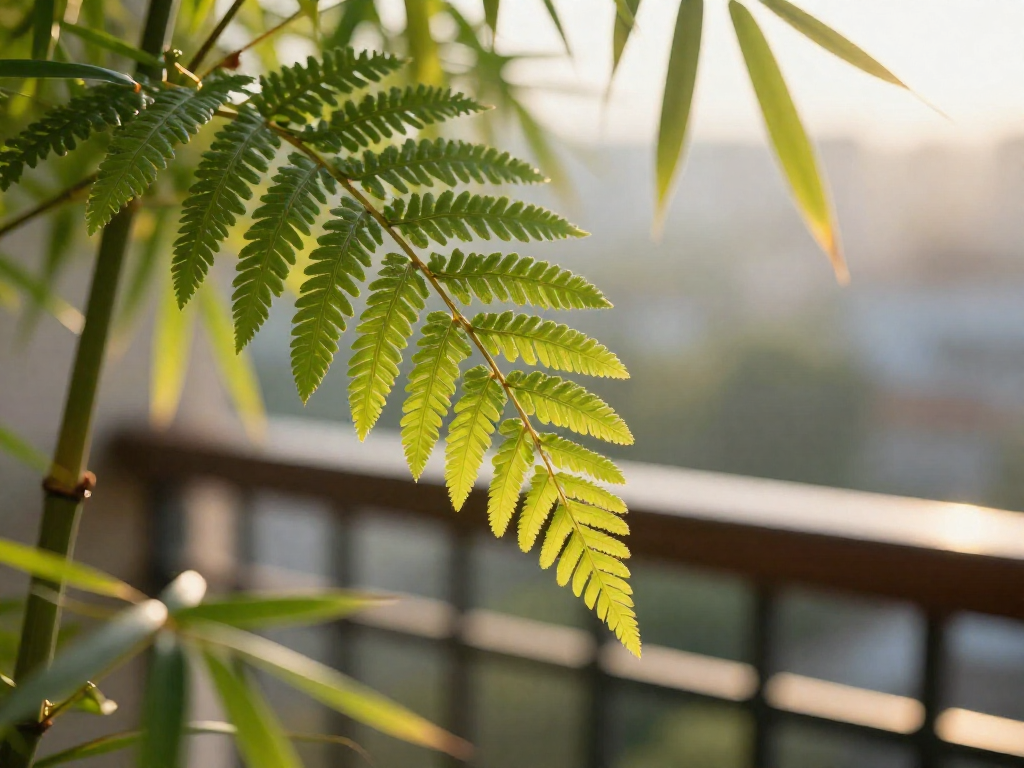
Why Choose Light-Filtering Screening Plants?
When you picture screening a balcony, you might think of solid fences, bamboo rolls, or outdoor curtains. But in a small urban space, those can feel heavy and confining. Light-filtering plants offer a smarter alternative. They gently obscure the view into your home without sacrificing the openness you love.
These plants act like a living veil. Their airy foliage softens sightlines while letting sunlight stream through. This is crucial on a balcony, where every ray counts for both you and your potted companions. Unlike a solid barrier that casts deep shadows, feathery leaves create dappled light, keeping your space bright and your plants happy.
A natural breeze is another gift of open-textured screening. Plants like ornamental grasses or fennel rustle pleasantly in the wind, masking noise and adding a sense of movement. They filter airflow rather than blocking it, so you stay cool and comfortable. At the same time, they reduce direct visibility from neighbors, giving you a private nook that still feels connected to the outdoors.
Even more, a layered planting of wispy stems and blooms brings a softer, more inviting look than any manufactured screen. It turns a bare railing into a lush, ever-changing backdrop. You avoid that boxed-in feeling and instead create a mini retreat that feels both secluded and free—a perfect balance for the urban gardener.
What to Look for in Balcony Screening Plants
When selecting plants to screen your balcony, you want to filter light, not cast a dark shadow. The key is choosing plants with an open, airy structure that still offers privacy. Here are the traits to look for:
Airy foliage: Go for plants with delicate, feathery leaves or thin blades that let light pass through while obscuring direct views. Think of ornamental grasses like Mexican feather grass (Nassella tenuissima), ferns with lacy fronds, or airy perennials like baby's breath (Gypsophila). Their see‑through texture creates a soft screen.
Vertical growth habit: Since floor space is precious, pick plants that grow up, not out. Tall, narrow varieties—like some grasses, clumping bamboo (ensure it's non‑invasive), or columnar evergreens such as ‘Sky Pencil’ holly—fit in tight corners or pots against the railing without sprawling.
Suitable height: For most balconies, aim for plants that reach 4 to 6 feet from the container soil level. This covers standard railings while still allowing light overhead. If you need extra privacy (like from a neighboring high‑rise), choose taller species, but keep them proportional to your space so they don’t overwhelm.
Light requirements: Be honest about how much sun your balcony gets. Full‑sun champions include lavender, rosemary, or switchgrass. Shadier spots call for Japanese forest grass, ferns, or hostas. Matching the plant to your light ensures healthy growth without constant fuss.
Container‑friendly: Finally, all your choices must thrive in pots. Many plants adapt well to root confinement if you use the right size container and good soil. Avoid varieties with aggressive root systems; instead, look for compact cultivars or those naturally suited to container life, like bougainvillea or shrubby herbs.
Check each potential plant against these five points, and you’ll build a living screen that’s both functional and luminous.
The Best Airy Plants for Balcony Privacy
One of the best ways to create privacy without closing off your balcony is to use plants with an open, see-through habit. These airy wonders provide the feeling of a green shield while still allowing dappled light and air to move through. Below are our top picks, grouped by growth form, to help you pick the right plants for your space. All are well-suited to container growing and thrive in the conditions found on most small balconies.
Grasses & Bamboos
Grasses and clumping bamboos are ideal for creating tall, vertical lines without dense foliage. They rustle gently in the breeze and form a translucent barrier that feels private but never claustrophobic. Try these:
- Feather Reed Grass (Calamagrostis 'Karl Foerster') – An upright, narrow-profile grass that reaches about 4–5 feet, topped with airy, feather-like plumes that catch the light beautifully.
- Switch Grass (Panicum) – Billowy and open, with delicate seed heads that dance in the wind. Choose a tall variety like 'Northwind' for maximum height.
- Clumping Bamboo (Fargesia) – Unlike running bamboos, these stay in a tight clump and do well in large containers. Their fine leaves and arching canes form a soft, living wall that filters light.
Climbing Vines
Train these fast-growing climbers on a trellis, wire, or netting to create a vertical living screen that diffuses sunlight and lends a lush, garden-fresh look to your balcony.
- Black-Eyed Susan Vine (Thunbergia alata) – Cheerful orange or yellow flowers with a dark center, this annual vine provides quick, light coverage. It thrives in full sun to part shade and is very beginner-friendly.
- Clematis montana – A hardy perennial with an explosion of small, fragrant blooms in spring. Its dense but delicate foliage creates a curtain that softens harsh sunlight.
- Passionflower (Passiflora) – Exotic, intricate flowers and tendrils that twine easily. Some species are tender perennials, so check your hardiness zone—or grow it as an annual for a dramatic summer screen.
Tall Perennials with a Transparent Curtain Effect
These perennials have wiry, tall stems and relatively small leaves, giving the impression of a sheer, see-through veil. They work wonderfully in groups and can be underplanted with shorter, bushier plants.
- Verbena bonariensis – Clusters of tiny purple flowers on tall, rigid stems that float above the foliage. They move with the breeze and allow views through while still defining a boundary.
- Gaura lindheimeri – Delicate, wand-like stems that sway with pink or white blossoms. Gaura's open structure creates a soft, romantic screen.
- Russian Sage (Perovskia atriplicifolia) – Silvery, finely divided leaves and clouds of lavender-blue flowers. It grows upright and airy, perfect for filtering light.
Shrubs & Small Trees
Choose dwarf or compact varieties of these woody plants and prune them to maintain an open shape. In containers, they become stunning sculptural elements that offer privacy without bulk.
- Dwarf Japanese Maple (Acer palmatum) – With finely cut leaves and a graceful arching habit, a carefully pruned Japanese maple casts a dappled shade and provides a sense of enclosure.
- Smoke Bush (Cotinus) – Varieties like 'Royal Purple' offer smoky, feathery flower plumes and leaves that range from purple to chartreuse. Keep it contained with annual pruning in a large pot.
- Dappled Willow (Salix integra) – This fast-growing shrub has variegated pink-and-white foliage. It responds well to pruning, so you can shape it into a light, airy screen.
Edible Options for a Productive Screen
Why not combine privacy with fresh produce? These edibles create a beautiful, functional barrier that keeps your meals fresh and your space secluded.
- Asparagus Fern (Asparagus aethiopicus) – Though not a true fern, its airy, needle-like foliage makes a fantastic, edible backdrop. The young shoots can be harvested, and the plant itself forms a tall, wispy mound.
- Climbing Peas or Beans – Plant alongside a net or trellis. They quickly cover vertical structures with tendrils and leaves, filtering light while producing tasty pods. Great for a seasonal screen that changes through the growing season.
Quick Tips for Success
- Use sturdy, deep containers to prevent toppling and give roots room.
- Position trellises or supports securely against wind.
- Water regularly; balconies dry out faster than in-ground gardens.
- Feed monthly during the growing season with a balanced liquid fertilizer.
- For perennials and shrubs, choose a container at least 16–20 inches in diameter to ensure healthy growth.
With these airy plants, you'll craft a private oasis that feels open and filled with gentle life. Your balcony will become a place to relax, entertain, and enjoy the outdoors without feeling boxed in.
How to Arrange Plants for Maximum Privacy and Light
Create a layered effect by placing your tallest plants at the sides and corners of the balcony. This frames the space naturally and blocks side views without casting deep shade. Medium-height plants can go in front of them, and low-growing greenery fills out the bottom, giving you a tiered screen that still feels open.
Tall, narrow planters are a game-changer for small balconies. Line them up along the railing to build a living wall that doesn’t eat into your floor area. Look for sleek, upright containers that fit snugly against the rail—they’ll hold plants like ornamental grasses or slim bamboo that sway in the breeze while softening hard edges.
Mixing textures isn’t just about looks; it also controls how much light gets through. Pair airy ferns with broader-leaved plants like hostas or calatheas. The delicate foliage allows dappled light to pass, while the larger leaves create pockets of privacy. This interplay gives you a screen that’s never monotonous.
Think about sight lines from common viewpoints, such as a neighbor’s window or the street. Position your tallest elements exactly where they’re needed to block those direct angles, while leaving gaps that keep your view of the sky or treetops unobstructed. It’s like framing a picture—you decide what stays visible.
For extra support without bulk, add semi-transparent trellises or netting behind lightweight vines. These structures will help climbers like sweet peas or morning glories reach upward while maintaining an airy feel. The trellis itself can be thin metal or wood, remaining almost invisible once the plants fill in. You’ll gain height and structure without blocking the precious light that makes your balcony feel spacious.
Care Tips to Keep Screening Plants Light and Airy
Keeping your balcony screen open and airy means a little thoughtful care goes a long way. The goal isn’t to eliminate foliage but to shape it so light still dances through. Here’s how to maintain that balance.
Pruning is your number one tool. Rather than just snipping the tips, reach inside and thin out older stems and any crisscrossing branches. This opens the center of the plant, allowing sunlight to filter through and air to circulate. For vining plants like jasmine or passionflower, guide the stems horizontally along your trellis and pinch back rampant growth to discourage a solid wall of leaves.
The right container size also influences how lush your plants become. A pot that’s too small can stress roots and lead to sparse, unhappy growth, while one that’s too large may encourage a burst of leafy expansion at the expense of open form. Match the mature size of the plant to a container that gives roots a little room but doesn’t fuel excess. For most balconies, a 12- to 14-inch pot is a happy medium for screening perennials.
When it comes to feeding, less is more. High-nitrogen fertilizers push dark, dense leaf production—exactly what we’re trying to avoid. Choose a balanced or bloom-focused formula (like a 5-10-10) and apply at half strength only during the active growing season. Many airy plants, such as ornamental grasses or gaura, perform beautifully with just a top-dressing of compost in spring.
Watering is another balancing act. Consistent moisture keeps plants stress-free, but soggy roots rot quickly in deep planters. Always use containers with drainage holes and elevate them slightly with pot feet so water moves freely. In hot spells, check soil moisture daily; a finger test two inches down is your best guide. Mulching the surface with pebbles or bark helps retain moisture without blocking light.
Finally, give your plants a quarter turn every week or two. This simple act ensures all sides receive equal light, preventing lopsided growth that could cast unexpected shadows. Over time, you’ll train your screen to stay full yet airy—exactly what a small balcony needs.
Common Mistakes When Screening a Balcony with Plants
Even with the best intentions, it’s easy to make missteps that turn your light-filtering screen into a dense wall. Avoiding these common pitfalls will keep your balcony bright and breezy.
One frequent error is choosing plants that are naturally bushy or heavy. What starts as an airy screen can quickly fill in and block precious sunlight. Instead, focus on species known for their open habit, such as ornamental grasses or see-through perennials, and be prepared to do some selective thinning if growth gets out of hand.
Overestimating or underestimating mature size is another trap. That wispy young vine might look perfect, but given a season, it could swallow your balcony. Always check the plant tag for eventual height and spread, and plan accordingly. It helps to give climbers a trim a couple of times during the growing season to keep them in check without losing the screening effect.
Many new gardeners reach for a single tall species to create a screen quickly. The result? A flat “green wall” that feels more like a barrier than a garden. Mixing plants of different textures and heights — such as a tall, airy grass behind a mid-height fern and a cascading plant at the edge — creates depth and visual interest while still providing privacy.
Don’t forget the practical side: safety first! Tall planters catch wind like a sail, so opt for sturdy, heavy containers or secure them to railings. Likewise, climbing plants need robust support from the start. A flimsy trellis or some loose twine won’t cut it once the plant is full size and swaying in the breeze. Use wall-mounted wires or a heavy-duty obelisk, and check ties regularly.
By sidestepping these mistakes, you’ll cultivate a screen that feels open, inviting, and perfectly suited to your small space.
FAQ
What is the fastest-growing screening plant for a balcony?
For a fast screen, consider annual vines like morning glory or scarlet runner bean; they can cover a trellis in weeks. Among perennials, honeysuckle or clematis armandii are vigorous options.
Can I use bamboo on a balcony without it taking over?
Yes, by choosing clumping bamboo varieties (such as Fargesia) rather than running types, and planting them in sturdy containers. Clumping bamboos stay contained and don’t spread aggressively.
What are the best plants for a windy balcony?
Look for wind-tolerant plants with flexible stems and small leaves, like ornamental grasses (e.g., feather reed grass), lavender, or rosemary. Sturdy shrubs like boxwood in heavy pots also work well.
How do I create privacy without sacrificing sunlight for my other plants?
Use open, airy plants such as tall grasses or bamboo with a light canopy, or space screening plants strategically to filter rather than block light. Transparent trellises with climbing vines that don’t form dense walls can also provide dappled shade.
Are there any screening plants that also provide color or flowers?
Yes, many flowering climbers like passionflower, clematis, or climbing roses offer both privacy and blooms. Tall perennials like delphiniums or hollyhocks can also serve as seasonal screens.
How tall should my screening plants be for a typical apartment balcony?
Aim for plants that reach about 4 to 6 feet, which is enough to obscure the railing and create a sense of enclosure without overwhelming the space. Ensure they are proportional to your balcony size and rail height.
Can I grow screening plants in the shade?
Absolutely, there are shade-tolerant screening plants like fatsia japonica, aucuba, or climbing hydrangea. Ferns can add texture, though they rarely grow tall; combine them with taller shade-lovers like clumping bamboo for a layered screen.