Fall Pruning Guide for Balcony Shrubs and Perennials
Highlight the common dilemma of whether to prune in fall and the benefits for small-space gardeners, promising a clear, plant-by-plant approach.
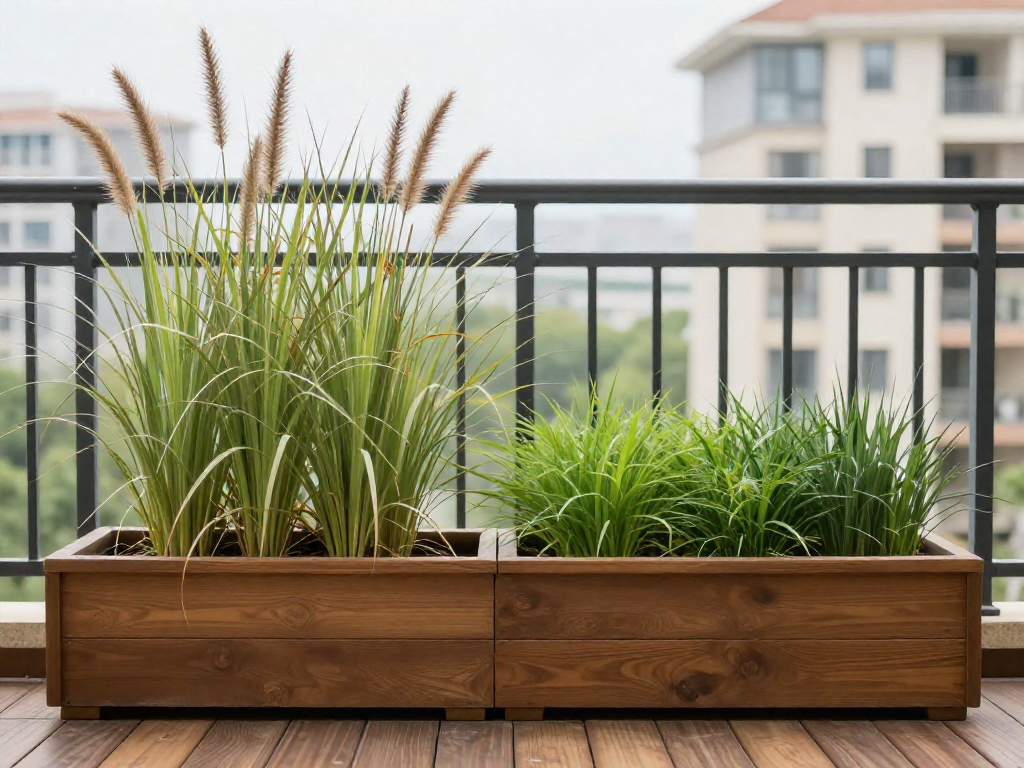
Why Fall Pruning Matters for Balcony Plants
On a balcony, every square inch counts—and so does the health of each plant. Fall pruning is a simple practice that makes a big difference for your container shrubs and perennials. It’s not just about tidying up; it sets the stage for a stronger, more vibrant display next spring.
One key benefit is improved air circulation. Balcony spaces tend to trap moisture, especially in corners or against walls. Pruning away crowded or crossing branches lets air move freely, reducing the chance of mold and mildew during damp winter months. This is crucial when pots are grouped closely together.
Removing dead, damaged, or diseased stems also eliminates hiding spots for pests that might overwinter and emerge stronger in spring. It’s a little effort now that prevents bigger problems later. Plus, cutting back leggy growth encourages the plant to direct energy into its roots, helping it settle into dormancy and build a sturdy foundation for next year’s growth.
Shaping your plants as the season winds down not only keeps your balcony looking neat but also stimulates bushier, fuller growth next season. Many shrubs and perennials respond to a light fall trim by branching out more vigorously when days lengthen again. It’s like giving them a fresh start without the stress of summer heat.
Which Balcony Shrubs and Perennials to Prune in Fall
Figuring out what to prune in fall can feel like a puzzle, but once you know a few basics about your plants, it becomes second nature. On your balcony, every plant counts, so let’s break it down by type.
Herbaceous Perennials
After the first frost kills back the foliage, it’s time to tidy up. Cut back plants like hostas, daylilies, and ornamental grasses to just 2–3 inches above the soil line. This prevents rot, keeps your containers looking neat, and makes room for spring growth. Don’t be afraid—they’ll bounce back vigorously.
Woody Shrubs
Tough herbs like lavender, rosemary, and boxwood benefit from light shaping in fall. Remove any dead or wayward stems, but avoid hard pruning. Heavy cuts can stimulate new growth that won’t harden before cold weather, leaving your shrubs vulnerable. A gentle trim to maintain form is all they need right now.
Hydrangeas
Hydrangeas are a bit trickier because timing depends on the type. If you have panicle (like ‘Limelight’) or smooth hydrangeas (like ‘Annabelle’), you can prune them in fall—they bloom on new wood. But if you’re growing mophead or oakleaf varieties, hands off! They set buds on old wood, so fall pruning would sacrifice next year’s blooms. When in doubt, wait until spring.
Roses
Container roses on a balcony are especially prone to wind rock—where the plant wobbles in the pot, damaging roots. To prevent this, cut back long canes by about one-third and remove any dead, diseased, or crossing stems. Save major pruning for early spring when you can assess winter damage. A little tidy-up now helps your roses stay anchored and healthy.
Remember, if you’re unsure about a plant, it’s always safer to wait. Most balcony perennials and shrubs will forgive a little procrastination—but overpruning at the wrong time can set them back.
Essential Tools for Balcony Pruning
When you’re pruning on a balcony, every square inch counts. Tools need to be effective without taking over your limited storage. The good news? A handful of well-chosen, compact tools can handle almost any fall pruning task while keeping your space clutter-free.
Start with a sharp pair of bypass pruners. This is the one tool you’ll reach for again and again. For balcony gardens, look for micro-tip or compact bypass pruners that easily slip into tight spots between pots and railings. A clean cut keeps stems healthy, so choose a model with replaceable blades or one that can be sharpened. An ergonomic grip and a secure locking mechanism will make the work safer and more comfortable.
For thicker, woody stems—think over half an inch—a folding pruning saw is a lifesaver. Unlike bulky bow saws, these fold down to pocket size, with the blade safely tucked into the handle. Look for one that cuts on the pull stroke, which gives you more control in cramped quarters. It’s ideal for rejuvenating compact shrubs like dwarf spirea or cutting back overgrown lavender.
Precision work calls for micro snips. These small, fine-pointed scissors let you deadhead spent blooms or trim delicate perennials and herbs without accidentally snipping neighboring stems. They’re light enough to use with one hand and can slip into a pocket or a hanging loop.
Finally, don’t let your tools become clutter. A hanging organizer designed for balcony railings or a wall-mounted magnetic strip keeps everything visible and within arm’s reach. Look for weather-resistant materials, or simply repurpose a small bucket with a hanging hook. The goal is to have nothing underfoot but everything ready when a quick prune is needed.
With these essentials, fall pruning becomes a tidy, satisfying ritual rather than a scavenger hunt. Pick tools that suit your space, and you’ll be set for seasons of healthy growth.
Step-by-Step Pruning Technique
Pruning your balcony shrubs and perennials might feel intimidating at first, but a few simple techniques will keep your plants healthy and looking their best. Follow these steps, and you'll build confidence with every snip.
Start by cleaning your pruning tools. Wipe the blades with rubbing alcohol before moving on to the next plant. This quick habit prevents diseases from hitching a ride between your containers, which is especially important on a crowded balcony.
Next, take a close look at your plant. Remove any dead, damaged, or crossing branches first. Snip these away cleanly, then step back to assess the overall shape. Removing problem growth often reveals the natural form, making it easier to see what else needs to go.
When you make cuts, aim for a 45-degree angle just above an outward-facing bud or leaf node. This angle helps water run off the wound, reducing rot risk, while the outward-facing bud encourages new growth to spread away from the center. That open structure improves air circulation, which is a big plus for balcony plants in tight quarters.
As you work, keep the one-third rule in mind: never remove more than one-third of the plant's total growth in one session. Over-pruning can shock your plant, especially in a container where roots are already limited. If you're tempted to take off more, stop and plan a follow-up prune in a few weeks.
Finally, clean up all clippings from the soil surface and dispose of them. This denies pests a hiding spot and keeps your small garden fresh.
Aftercare: Helping Pruned Plants Thrive
After you’ve finished pruning, your balcony shrubs and perennials need a little extra attention to heal and prepare for the cold months ahead. These simple aftercare steps will help them settle in and emerge stronger next spring.
Water wisely. Give your plants a moderate drink right after pruning to settle the soil around the roots and ease any stress. Aim for soil that’s moist but not soggy—overwatering in cooler weather can lead to root rot, especially in containers. Check the soil with your finger; if it feels dry an inch down, it’s time to water.
Hold the fertilizer. It’s tempting to give your plants a nutrient boost, but hold off until spring. Pruning can stimulate plants to push out new growth, and if you add fertilizer now, that tender growth won’t have time to harden off before frost arrives. Instead, let your plants rest naturally. They’ll be ready for a gentle feed when new buds appear in spring.
Insulate with mulch. Container-grown plants are more exposed to temperature swings than those in the ground. Add a 2-inch layer of organic mulch—such as shredded leaves, straw, or bark—on top of the soil. This cozy blanket helps regulate soil temperature, retains moisture, and protects roots from freezing. Keep the mulch a little away from the plant’s stem to prevent rot.
Watch the weather. Even after pruning, stay alert to forecast changes. If a hard freeze is predicted, give any recently pruned or frost-sensitive plants extra protection. Move containers closer to your building’s warm wall, or cluster them together to share heat. For especially delicate plants, consider bringing them indoors overnight. This small effort can make a big difference in their survival.
With these aftercare practices, your pruned plants will slip into dormancy safely and be ready to reward you with lush growth next season. Enjoy the quieter beauty of your balcony garden as it rests!
Common Fall Pruning Mistakes to Avoid
Even with the best intentions, it’s easy to slip up when fall pruning. Knowing what to avoid can keep your balcony garden healthy and set the stage for vibrant growth next spring.
Pruning too early is a top mistake. Many balcony shrubs and perennials need to enter dormancy naturally before you make cuts. If you prune while they’re still actively growing, you risk stimulating tender new growth that winter will kill. Wait until deciduous plants have dropped their leaves and evergreens have slowed down—usually after a few hard frosts—before you reach for your tools.
Over-pruning shrubs that bloom on old wood is another common error. Classic balcony-friendly choices like dwarf lilacs, forsythia, and some hydrangeas set their flower buds on the previous season’s stems. A heavy fall haircut means you’re snipping off next year’s blooms. Instead, only remove dead, damaged, or crossing branches, and save major shaping for right after flowering in spring.
Using dull tools does more harm than good. Blunt blades crush stems instead of making clean cuts, leaving ragged wounds that invite disease and pests. Keep your pruners sharp with a few passes of a diamond file, and wipe them with rubbing alcohol between plants to prevent spreading pathogens. A sharp, clean cut heals faster and looks tidier.
Leaving clippings in pots might seem harmless, but decaying foliage attracts fungal spores and gives pests a place to hide over winter. After pruning, thoroughly remove all debris from the soil surface and pot edges. Dispose of diseased material in the trash rather than your compost to avoid reintroducing problems later.
By sidestepping these pitfalls, you’ll help your balcony plants sail through dormancy and burst back with vigor when the weather warms.
FAQ
Can I prune all my balcony plants in fall?
Only some plants benefit from fall pruning. Focus on removing dead, damaged, or diseased growth from shrubs and perennials, but avoid heavy pruning of spring bloomers that set buds on old wood. Check each plant’s specific needs to avoid cutting off next year’s flowers.
What month is best for fall pruning on a balcony?
Early to mid-fall, after the first light frost has sent plants into dormancy, is ideal. Depending on your USDA zone, this is typically October or November when growth has slowed but before severe cold sets in.
Will pruning in fall encourage new growth that could be killed by frost?
Yes, late pruning can stimulate tender new shoots vulnerable to frost damage. To prevent this, wait until plants are fully dormant—after leaves drop or stems brown—before making cuts. This minimizes the risk of cold injury.
How do I prune container roses for winter without a garden?
For container roses, prune lightly in fall by removing dead, crossing, or weak canes, and reduce overall height by no more than one-third. After pruning, move the pot to a sheltered spot, insulate it, and mulch to protect roots from freezing.
Is it safe to prune lavender in autumn on a windy balcony?
Avoid heavy fall pruning of lavender, especially on windy balconies, as open cuts dry out quickly and the plant needs its top growth for winter insulation. Instead, lightly trim off spent flower stalks and any damaged stems, leaving the bulk of foliage intact until spring.