Balcony Container Gardening for Beginners: 10 Easy Plants to Start With
Reassure absolute beginners that balcony gardening is achievable with the right plants and simple setup. Hook with the promise of a no-fail list.
Start with Your Balcony’s Conditions: Sun, Wind & Shade
Before you rush to the garden center, take a moment to really get to know your balcony. The secret to a thriving container garden isn’t just the plants you choose—it’s understanding the unique conditions your space offers. A little observation now will save you from droopy leaves and disappointing harvests later.
Sunlight is your most important ingredient. Plants label themselves as needing “full sun,” “partial shade,” or “full shade,” but what does that actually mean on your balcony? Full sun means at least six hours of direct sunlight each day. Partial shade is about three to six hours, and full shade is less than three hours of direct sun. These categories aren’t just suggestions; they directly affect photosynthesis, blooming, and even the flavor of herbs and vegetables. A tomato plant in too much shade will grow leggy and produce little fruit, while a fern in blazing sun will scorch by noon.
To figure out your light levels, try this simple exercise: On a sunny day when you’re home, check your balcony every hour or two from morning until evening. Note where the sunlight lands and for how long. Use a notebook, your phone’s camera, or even masking tape to mark the sunny spots at different times. Does the light move across the floor? Are there corners that stay bright all day? You might be surprised—your railing might cast dappled shade in the afternoon, or a neighboring building could block the morning sun entirely. This quick observation gives you a personalized light map you can match to plant tags.
Wind is the sneaky challenge many balcony gardeners overlook. If you’re on a higher floor or in an exposed spot, breezes can dry out containers faster than you’d expect, knock over top-heavy pots, and shred delicate leaves. But wind isn’t all bad; a gentle airflow helps prevent fungal diseases. For windy balconies, choose sturdy, wide-based containers and consider using a windbreak—a trellis, a privacy screen, or even a row of hardy ornamental grasses can diffuse the gusts without blocking all light. Plants like lavender, rosemary, and many succulents actually thrive in breezy conditions thanks to their tough, moisture-conserving leaves.
Every balcony has its own microclimate—small variations in temperature, light, and moisture that make one corner different from another. A south-facing wall radiates heat long after sunset, creating a cozy pocket for heat-lovers like basil or peppers. A shaded nook near your door might stay cool and damp, perfect for mint or ferns. Pay attention to these little spots. You can extend your growing season by placing tender plants near that warm wall, or you can shield salad greens from the harsh afternoon sun by tucking them behind a taller plant. Use your powers of observation: where does the water pool after rain? Which spot stays protected during a storm? That’s your microclimate speaking.
Once you’ve mapped out your light, felt the wind, and spotted your microclimate secrets, you’ll choose plants with confidence. You’re not just guessing anymore—you’re matching each plant to a spot where it can genuinely thrive. And that’s the first step to a lush, happy balcony garden that feels like your own personal oasis.
The Only Supplies You Need to Start Container Gardening
Starting your balcony container garden doesn't require a shed full of expensive gear. With just a handful of smart, affordable basics, you’ll be ready to plant in an afternoon. Here’s what to focus on so you can avoid overwhelm and get growing.
Containers that work for your space
Your pots are the foundation. Look for containers with drainage holes—this is non‑negotiable. Without them, water pools at the bottom, leading to root rot. If you find a beautiful planter without holes, drill a few yourself or use it as a cachepot (a decorative outer pot that holds a plain plastic pot inside).
Size matters too. Most beginner-friendly plants need at least 6–8 inches of soil depth. Shallow-rooted greens like lettuce can thrive in smaller pots, but tomatoes or peppers will need something closer to 12 inches wide and deep. Consider weight if your balcony has limits: lightweight plastic, resin, or fabric grow bags are easier to move and won’t stress railings. Terracotta breathes nicely but dries out faster, so you’ll water more often in hot weather.
The right soil for happy roots
Skip the bag of cheap topsoil or digging dirt from a yard—garden soil compacts in containers, choking roots and preventing proper drainage. Instead, reach for a high-quality potting mix labeled for containers or raised beds. These blends are light, fluffy, and packed with peat moss, perlite, or coconut coir to hold moisture while letting excess water escape. Some even include a starter charge of fertilizer to feed plants for the first few weeks.
Basic tools you’ll actually use
You truly only need three things to get started:
- Trowel: A sturdy hand trowel with a comfortable grip makes digging planting holes and moving soil painless. Pick one with a slightly rounded blade—it’s versatile for most small tasks.
- Watering can: A can with a removable rose (the sprinkler head) gives you control. Use the rose for gentle watering of seedlings and remove it for a targeted stream to soak deeper roots. A 1‑gallon size is more than enough for a few pots.
- Gloves: Even a simple fabric pair protects your hands from scratches and keeps dirt out from under your nails. Look for a snug fit with a stretchy cuff.
Optional extras to boost success
Once the basics are covered, two optional items can make a noticeable difference:
- Slow-release fertilizer: These tiny granules work for months, feeding your plants a little every time you water. They take the guesswork out of feeding and are especially helpful for containers, where nutrients wash out faster.
- Plant markers: Wooden popsicle sticks, plastic tags, or even upcycled spoons help you remember what you planted where. This is a lifesaver when you’re growing different varieties or tiny seedlings look alike.
With these simple supplies, you’re equipped to create a thriving little garden on any balcony—no fuss, no clutter.
5 Sun-Loving Balcony Plants That Thrive on Neglect
If your balcony gets strong afternoon sun and you’re afraid you’ll forget to water, these five plants are your new best friends. They’re tough, forgiving, and will make even a beginner feel like a gardening pro.
1. Succulents (Echeveria, Sedum, etc.)
Succulents are the ultimate low-maintenance option. Their plump leaves store water, so they shrug off drought like champs. Choose rosette-forming Echeveria in shades of green, purple, or dusty blue. Plant them in a shallow bowl with gritty, fast-draining soil, and water only when the soil is bone dry. Too much love (water) is their only enemy.
2. Herbs: Basil & Rosemary
Herbs pull double duty—beauty and kitchen flavor. Bushy basil loves heat and grows quickly in a single season; just keep a saucer under the pot to catch water and prevent wilting. Rosemary, with its needle-like, fragrant leaves, is practically indestructible once established. It thrives in scorching sun and asks for water only when the top inch of soil feels dry. Snip sprigs often to encourage fresh growth.
3. Cherry Tomatoes (Determinate Varieties)
For a sunny balcony, few things beat the thrill of harvesting your own tomatoes. Stick with compact, determinate types bred for containers, such as ‘Tiny Tim’ or ‘Patio Choice Yellow’. They stop growing at a manageable size and pump out sweet clusters of fruit. Use a 5-gallon pot, steady watering (not too wet, not too dry), and a dose of tomato fertilizer every two weeks. You’ll feel like a real gardener in no time.
4. Marigolds
Sunshine-hued marigolds are the cheerleaders of the balcony garden. They laugh at heat, bloom from spring until frost, and actually deter many common pests. Deadheading (pinching off spent flowers) is purely optional, but it encourages even more blooms. Plant them anywhere you want a splash of orange or yellow that needs almost zero fuss.
5. Petunias
Trailing or mounding, petunias give you non-stop color from late spring through fall. Modern varieties are more self-cleaning than older types, meaning they drop spent blooms naturally, though a quick snip here and there keeps them looking extra fresh. Give them a sunny spot, well-draining potting mix, and water when the soil surface dries. They’ll cascade over pot edges and fill your balcony with a carnival of colors.
A quick pro-tip for all these sun-lovers: choose containers with drainage holes and use a quality potting mix. In peak summer, check daily—even the toughest plants need a drink when temperatures soar. Start small, celebrate every new leaf, and remember: gardening is a journey, not a perfection contest. Your sunny balcony is about to become your favorite spot.
5 Shade-Tolerant Plants for Low-Light Balconies
If your balcony faces north or is tucked between tall buildings, you might think a lush garden is out of reach. But shade can be a gift—it keeps soil moist longer and opens the door to a whole palette of plants that thrive without direct sun. These five shade-tolerant beauties are perfect for beginners and will turn your low-light retreat into a vibrant, calming oasis.
Boston Fern (Nephrolepis exaltata)
Boston ferns bring instant lushness with their cascading fronds of tiny green leaves. They excel in bright, indirect light and can handle full shade once established, though growth may slow. The key is consistent moisture—check the soil daily and water when the top inch feels dry. They love humidity, so on a balcony, grouping them with other plants or setting their pot on a pebble tray with water helps. Feed with a diluted balanced liquid fertilizer every two weeks in spring and summer. If fronds turn brown and crispy, trim them off at the base; new growth will follow. A 10- to 12-inch pot with drainage holes and standard potting mix works well. Just avoid placing them in windy corners where delicate fronds can break.
Coleus (Plectranthus scutellarioides)
For instant color without a single flower, coleus is a standout. Its leaves come in electric pinks, deep burgundies, lime greens, and intricate patterns, and they stay vibrant in shade. In fact, too much direct sun can scorch the foliage. Coleus grows quickly as an annual, reaching 1 to 3 feet tall. Pinch back the growing tips regularly to keep plants bushy, and remove any flower spikes that appear—they signal the plant to decline. Water when the soil surface is dry, and use a container at least 8 inches wide. A general-purpose potting soil is fine. Coleus also roots easily in water, so you can share cuttings with friends. It’s a forgiving plant that bounces back from occasional underwatering, perfect for busy beginners.
Begonia (Begonia spp.)
Begonias offer glossy leaves and cheerful blooms in shades of red, pink, orange, and white. Wax begonias (Begonia semperflorens) are especially tough, thriving in full shade and blooming continuously from spring to frost. Tuberous begonias produce larger, showier flowers and also prefer shade. Plant them in a well-draining mix with added perlite or coarse sand, and let the soil dry slightly between waterings—overwatering can cause rot. A pot that is 6 to 8 inches wide suffices for most varieties. Feed every two weeks with a bloom-boosting fertilizer (higher phosphorus) to keep flowers coming. Begonias are sensitive to cold, so move pots inside if the temperature dips below 50°F. Their compact size makes them ideal for railing planters or tabletops.
Impatiens (Impatiens walleriana)
Impatiens are the quintessential shade garden flower, covering themselves in pink, purple, white, or coral blossoms from spring until fall. They form mounded cushions 6 to 24 inches tall and wide, making them excellent fillers for containers. Impatiens need consistently moist soil; if they wilt on a hot afternoon, a deep drink perks them up within hours. Use a pot that holds moisture—plastic or glazed ceramic works better than unglazed terracotta, which dries out fast. A standard potting mix and a slow-release granular fertilizer mixed in at planting time will keep them thriving. Space plants about 8 inches apart in larger pots. Be on the lookout for downy mildew, a disease that can cause yellowing and leaf drop; if you see it, remove affected plants promptly and choose disease-resistant New Guinea impatiens next time.
Peace Lily (Spathiphyllum)
The peace lily is a resilient choice that doubles as an indoor companion when temperatures drop. Its dark green, glossy leaves are complemented by white, sail-shaped flowers that last for weeks. Peace lilies tolerate low light beautifully, though they may produce fewer blooms in deep shade. Outdoors, keep them in a spot that receives dappled light or bright shade. They’re expressive about water needs: leaves will droop dramatically when thirsty, but they recover after watering. Avoid standing water by using a pot with drainage and a peaty, well-aerated mix. Feed every six weeks with a balanced liquid fertilizer during the warm months. Known for their air-purifying qualities, peace lilies help filter indoor pollutants when brought inside for winter—a bonus for apartment dwellers. Keep them out of reach of pets, as the plant is toxic if ingested.
With these five plants, your shaded balcony can be just as lush and rewarding as a sunny one. Pay attention to each plant’s moisture signals, and don’t be afraid to experiment with placement. Even with low light, you’re just a few containers away from a personal green retreat.
Simple Watering & Care Routine for Container Plants
Caring for your balcony container plants doesn't have to be complicated. With a few simple habits, you'll keep everything thriving without constant fuss.
How to Know When to Water
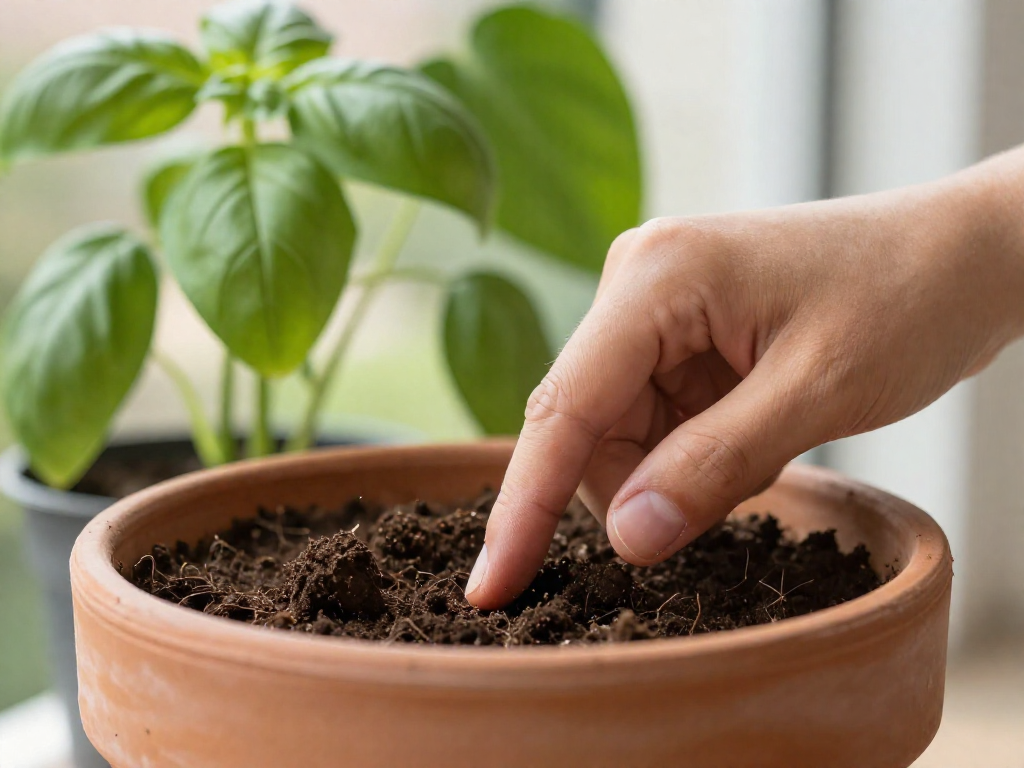
The biggest challenge for new gardeners is getting watering right. The best tool is your finger. Push it about an inch into the soil. If it feels dry at that depth, it's time to water. If it's still damp, wait another day. Overwatering is a common mistake, and soggy roots can lead to rot just as quickly as dryness.
Water in the Morning
Make morning your go-to watering time. Early watering gives leaves a chance to dry off during the day, which helps prevent fungal diseases. Aim the water at the soil, not the leaves, and water deeply until you see a little run out of the drainage holes. This encourages roots to grow down and keeps plants strong.
Feeding Your Plants
Container plants rely on you for nutrients because they can't spread roots out into the ground. Use a balanced liquid fertilizer (look for equal numbers like 10-10-10) diluted to half strength. Feed every two weeks during the growing season. This gentle, steady supply of nutrients is less likely to burn roots than a single strong dose.
Pinching and Deadheading
To encourage bushy, full plants, get comfortable with pinching. Simply use your fingers to remove the very tips of stems. This tells the plant to branch out. For flowering plants, snip off spent blooms (deadheading) to redirect energy into producing more flowers instead of setting seed. It takes minutes and makes a huge difference.
Cold Snap Protection
Even on a balcony, container plants are more exposed to temperature swings than in-ground ones. If a late spring or early fall frost is predicted, bring tender plants like tomatoes or basil inside overnight. Tuck them near a bright window, then put them back out in the morning. For larger containers that can't be moved, drape a lightweight sheet or frost cloth over them, making sure it reaches the ground to trap warmth.
Beginner Mistakes to Avoid (And How to Fix Them)
We all make mistakes when starting something new—the key is to learn from them before they discourage you. Here are the most common slip-ups new balcony gardeners encounter, plus simple fixes to keep your plants happy.
Overwatering
One of the biggest beginner pitfalls is watering too often. Soggy soil suffocates roots and invites rot. Signs: yellowing leaves, wilting despite wet soil, and a musty smell. Fix: let the top inch of soil dry out before watering again. Stick your finger in; if it feels damp, skip the watering can. Choose pots with good drainage, and consider a moisture meter if you’re unsure.
Wrong Pot Size
Planting in a pot that’s too small cramps roots, while one that’s too large holds excess water and causes root rot. Match the pot size to the plant’s mature root system. As a rule of thumb, go one size up from the nursery pot—usually 2 inches wider in diameter. For fast growers, plan to repot later.
Ignoring Drainage Holes
No drainage = plant death sentence. Even if you’re careful with watering, water must escape. Always use containers with holes at the bottom. If you love a pot without holes, drill some or use it as a cachepot—keep the plant in a plastic nursery pot inside. Add a layer of pebbles at the bottom? That’s a myth; it doesn’t help drainage. Just ensure the hole is clear.
Not Rotating Plants
On a balcony, light often comes from one direction. Plants naturally lean toward the sun, leading to lopsided growth. Give your containers a quarter turn every week to encourage even exposure. This simple habit results in fuller, more balanced plants.
Pests Like Aphids
Sooner or later, you’ll spot tiny green, black, or white bugs on new growth—probably aphids. They sap strength and multiply fast. The easy fix: mix a few drops of mild liquid soap (like castile soap) with water in a spray bottle. Spray affected areas thoroughly, including leaf undersides, and rinse with plain water after a few hours. Repeat every few days until they’re gone. This gentle solution won’t harm your plants or balcony environment.
Gardening is a learning process. Each “mistake” is just a chance to become a more observant and confident plant parent. With these tweaks, your balcony garden will thrive—and so will you.
FAQ
What are the best low-maintenance plants for a small balcony?
Start with herbs like basil, mint, and chives, which are forgiving and useful. Succulents and compact flowers such as marigolds or petunias also thrive with minimal care, provided they get enough light.
How often should I water my balcony container plants?
Water when the top inch of soil feels dry to the touch; in warm weather this is often every 1–2 days. Check daily during hot spells, and always ensure excess water can drain freely to prevent root rot.
Do I need special soil for container gardening?
Yes, always use a high-quality potting mix rather than garden soil. Potting mix is lighter, drains well, and holds just enough moisture to support healthy container growth.
Can I grow vegetables on a shady balcony?
Yes, many leafy greens like lettuce, spinach, and kale tolerate partial shade. Herbs such as mint and parsley also perform well, but avoid sun-loving plants like tomatoes unless you have several hours of direct sun.
What size pots do I need for balcony plants?
Small herbs can grow in 6–8 inch pots, while larger plants like tomatoes need at least a 5-gallon container. Always choose pots with drainage holes; deeper containers suit root vegetables, and wide, shallow ones work for greens.