Wind-Proofing Your Balcony Container Garden: Tips and Tricks
You’ve created your dream balcony garden, but strong gusts keep knocking over pots and drying out plants. Wind-proofing is essential for high-rise living. This guide covers practical solutions to keep your container garden safe and thriving, from choosing sturdy pots to erecting windbreaks that don’t block the view.
Choose the Right Containers for Windy Balconies
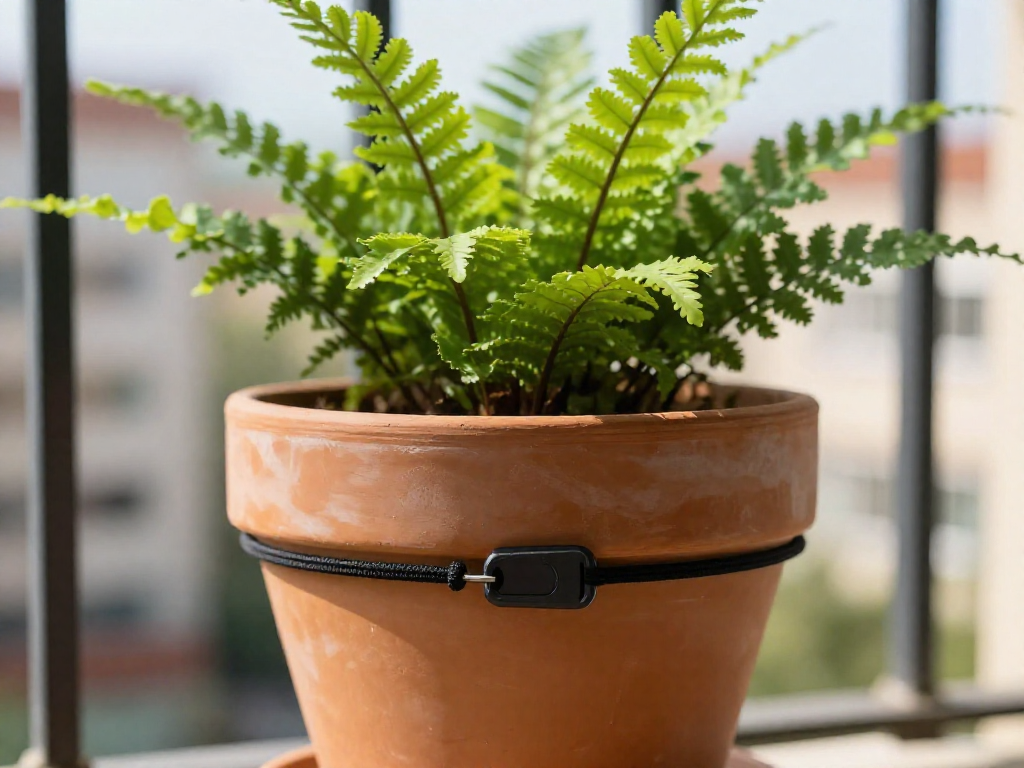
When wind sweeps across your balcony, the container you’ve chosen can make all the difference. Lightweight plastic pots may be easy to move, but they’re also the first to topple in a gust. Instead, opt for materials with natural heft. Terracotta, ceramic, and concrete planters offer substantial weight that helps them stay put, even on blustery days. They also add a classic, earthy look to your small space.
Shape is just as important as material. Look for pots with a broad, stable base compared to their height. A low, wide planter anchors itself far better than a tall, slender one that acts like a sail. If you already own narrow containers, consider using them only for low-growing, wind-resistant plants, or pair them with a sturdy anchor.
You can also boost stability by adding weight to any pot. Fill the bottom third with a layer of gravel or small stones before adding potting mix. This not only improves drainage but lowers the center of gravity, making the whole container less prone to tipping. For a dual benefit, choose self-watering pots. Their built-in water reservoirs add significant weight when full, and they keep your plants hydrated longer—perfect for a breezy spot where soil dries out faster.
If you fall in love with a tall, slender planter, plan to anchor it. Secure the pot to a railing with adjustable straps, or place it inside a heavier outer cachepot. With a little thought upfront, you can enjoy a lush, wind-proof garden that thrives no matter how high the breeze kicks up.
Secure Pots and Planters to Your Balcony
Once you’ve chosen sturdy, wind-resistant containers, the next step is anchoring them so they stay put when gusts pick up. Start with railing-mounted options—brackets or balcony planter hooks that clamp onto your railing offer a firm grip without drilling. If your balcony has a railing, these can be a game-changer; just make sure they’re designed for the thickness and shape of your rail.
For free-standing pots, turn to simple yet effective solutions like bungee cords or heavy-duty zip ties. Wrap them around both the pot and the railing, and pull them snug. This works especially well for cylindrical planters, which can be tricky to secure otherwise. Check the fasteners every few weeks—sun and weather can degrade plastic ties over time, so replacing them occasionally is good practice.
Another easy trick is to drive a stake into the soil and lash it to the railing. A bamboo or metal stake pushed deep into the planter gives you an anchor point. Use twine, wire, or a reusable velcro strap to tie the stake to the nearest rail. This method also helps support tall plants that might otherwise topple.
Weight matters, too. If your pot is lightweight, add a few clean rocks, bricks, or a bag of pebbles to the bottom before filling with soil. This lowers the center of gravity and makes it much harder for wind to tip the container. Just be mindful of the extra load on your balcony floor—spread heavy items evenly, and stay within any weight limits your building may have.
Grouping pots can create a collective mass that’s more resistant to wind. Cluster several planters together, nestling them so they brace each other. The outer pots in the group will shield the inner ones, and the combined weight reduces the chance of any single container being blown over. It’s a natural way to add protection while also creating a lush, layered look.
For larger, heavier planters that might still wobble, consider anti-tip furniture straps. These straps, typically used for bookshelves or dressers, can be attached to the planter and secured to a wall or a sturdy part of the balcony structure. They’re often adhesive-backed or require small screws, so check with your landlord if needed. Even in a rental, removable adhesive anchors can provide extra peace of mind without permanent damage.
Finally, remember that wind patterns change with the seasons. A configuration that works in spring might need tweaking come fall. Regularly test your setup by giving pots a gentle push—if they shift easily, reinforce them before the next storm rolls in. With these anchoring techniques, your container garden will stand strong, letting you enjoy your outdoor oasis no matter how high you live.
Install Windbreaks Without Blocking Your View
You can soften the wind without turning your balcony into a fortress. Try these view‑friendly windbreak ideas:
- Temporary fabric screens: Look for heavy‑duty mesh or canvas that lets light through but takes the edge off gusts. These roll up easily and attach with zip ties or hooks.
- Bamboo or reed fencing: Natural, warm‑looking and often sold in rolls. Secure it to your railing; it filters wind while still letting you see through.
- Trellises with climbing plants: A wooden or metal trellis planted with wind‑tolerant varieties like ivy or star jasmine gradually becomes a lush, living screen that breaks up strong breezes.
- Clear acrylic or polycarbonate panels: If you love an unobstructed vista, rigid transparent sheets can be fixed to your railing. They block wind completely (like a windshield) without stealing your sightline.
- Lattice panels: Attach a classic lattice to the inside of your railing – it provides partial blockage and adds texture, and you can train lightweight vines along it.
Where you place your windbreak matters. Watch which direction the wind usually comes from on your balcony (often the side facing the largest open area). Focus your protection on that windward side. Even a small barrier close to your plants can create a calmer microclimate.
Top Wind-Resistant Plants for Container Gardens
Now that you've anchored your pots and set up windbreaks, it's time to pick the right plants. Some plants naturally shrug off strong gusts, while others might snap or dry out quickly. Here are our favorite wind-resistant picks for a thriving balcony garden.
- Drought-tolerant herbs: Rosemary, thyme, and sage have woody stems and leathery leaves that stand up to wind beautifully. They love sunny spots and release a lovely fragrance every time the breeze blows.
- Ornamental grasses: Fountain grass and blue fescue are built for movement. Their flexible blades dance in the wind without breaking, adding soft texture and motion.
- Succulents: Sedums and sempervivums (often called hens and chicks) store water in thick leaves, making them incredibly resistant to drying winds. They're almost foolproof in containers.
- Low-growing flowers: Marigolds, petunias, and geraniums stay compact and sturdy. Their blooms create a colorful carpet without the tall, vulnerable stalks that wind can snap.
- Compact shrubs: Dwarf boxwood and lavender offer year-round structure and calming scent. Their dense growth helps them brace against gusts naturally.
On the flip side, avoid tall, delicate flowers like delphiniums or hollyhocks unless you tie them to a strong support. They simply aren't cut out for a windy balcony. Remember, even tough plants need a sheltered start—keep them well-watered as they settle in, and you'll have a resilient garden that looks great no matter the weather.
Smart Layout Strategies to Minimize Wind Damage
Sometimes the best wind protection comes from the plants themselves. By thoughtfully arranging your containers, you can create a living shield that keeps everyone safer.
Start by placing your largest, sturdiest plants along the outer edges—think tall ornamental grasses, bushy rosemary, or a small trellis with climbing ivy. These act as a natural windbreak, absorbing the brunt of gusts so more delicate plants behind them can thrive.
Push pots right up against walls, railings, or corners. Wind speeds are typically lower in these spots, and the structure itself blocks cross-breezes. If you have a corner unit, tuck plants into the angle where two walls meet for a cozy, protected microclimate.
Vertical stands and tiered shelving do double duty: they create density without taking up precious floor space, and that density helps baffle the wind. Cluster pots closely on each shelf to form a mini shelterbelt—just make sure the stand is heavy or secured itself so it won’t topple.
Place your most fragile plants—like flowering annuals, herbs with tender leaves, or young seedlings—right in the center of your arrangement, surrounded by hardier companions on all sides. This communal huddle not only looks lush but also significantly reduces wind stress.
To keep growth even and prevent one side from always taking the brunt, rotate your pots a quarter turn every week or two. This simple habit helps stems stay straight and foliage develop symmetrically.
Finally, steer clear of known “wind tunnels”—the narrow gaps between buildings or along open corridors where air accelerates. Even a few feet of repositioning can make a dramatic difference in how your plants weather a breezy day.
Ongoing Care for a Wind-Proof Balcony
Once your wind-proof balcony garden is set up, a few simple habits will keep it thriving. Windy conditions mean paying extra attention to watering, plant health, and the security of your setup. Here's how to stay on top of maintenance.
Wind dramatically speeds up evaporation, so your plants may need more frequent watering than you'd expect. Check the soil moisture daily—stick a finger an inch deep—and water deeply in the morning whenever the top feels dry. This gives roots a chance to absorb moisture before the wind picks up.
Even the best fasteners can loosen over time. Make it a weekly ritual to inspect all ties, brackets, and anchors. After storms, give everything a thorough look; reposition any pots that have shifted or tightened connections that feel loose. A quick check prevents a minor wobble from becoming a toppled planter.
Adding a layer of mulch to your containers is a wind-proofing secret. Spread an inch of bark chips, straw, or even pebbles over the potting mix. Mulch shields the soil from drying gusts, holds in moisture, and stops lightweight potting mix from blowing away. It also helps regulate soil temperature on exposed balconies.
Deadheading isn't just for looks—it reduces wind resistance. Spent flowers and leggy stems act like tiny sails, catching the breeze and straining the plant. Snip off faded blooms and any overly long growth regularly. Your plants will look tidier and stand stronger against gusts.
When the forecast predicts sustained winds over 30 mph, play it safe: bring small and medium containers indoors or into a sheltered corridor. For heavier pots that can't be moved, double-check their supports and consider clustering them tighter. A temporary retreat can save stems and leaves from windburn.
Keep an eye out for leaf desiccation—browning, crispy edges that signal wind damage. Prune affected foliage promptly to encourage fresh growth and prevent the plant from wasting energy on struggling leaves. A little trim can make a big difference in overall health.
With these ongoing care steps, your wind-proof balcony garden will stay lush and resilient, season after season.
FAQ
How do I stop soil from blowing out of my pots?
To keep soil in place, top your pots with a layer of pebbles, bark chips, or a decorative moss that acts as a protective mulch. You can also use a piece of landscape fabric or fine mesh cut to fit the soil surface and tucked under the rim. For extra security, place your pots behind a balcony railing or grouped with larger plants as a windbreak.
What wind speed is dangerous for balcony plants?
Most balcony plants start to struggle with sustained winds above 20 mph, which can break stems and dry out leaves quickly. Tender vegetables and flowering annuals are especially vulnerable, while sturdy succulents and ornamental grasses tolerate more. If local forecasts predict gusts over 30 mph, it’s wise to move pots to a sheltered corner or indoors if possible.
Are there any wind-proof containers I can buy?
While no pot is completely wind-proof, heavy materials like thick ceramic, concrete, or stone offer excellent stability. Look for containers with a wide, flat base and a low center of gravity, or consider self-watering planters that gain weight from the water reservoir. To boost resistance, you can also secure lighter pots with railing brackets or place them inside a larger, heavier cachepot.
Can I use windchimes to break up wind?
Windchimes may create a small amount of micro-turbulence, but they aren’t practical for protecting plants from strong gusts. Instead, install a sturdy windscreen like outdoor fabric, bamboo fencing, or a lattice panel attached to your railing. These barriers slow the wind effectively without damaging its decorative appeal.
How often should I check my balcony plant ties?
Inspect ties and stakes at least once a week during the growing season, and always after a storm or prolonged high winds. Check for signs of rubbing against stems, ties that have become too tight as stems thicken, or any that have slipped loose. Adjust or replace ties promptly to prevent damage and keep your plants securely upright.