How Often to Service a Scooter in a Hot, Dusty Climate
Riding a scooter through Malaysia’s tropical heat and dusty roads can take a toll on your machine faster than you think. Regular servicing isn’t just a suggestion—it’s essential. But how often should you really do it? Find out.
Why Hot & Dusty Climates Are Tough on Scooters
Malaysia's tropical heat and dusty roads put extra demands on your scooter’s mechanical bits. Here’s how these conditions speed up wear and tear, making regular servicing even more important.
Heat breaks down engine oil faster. In high ambient temperatures, engine oil thins out and oxidizes quicker. Thin oil can’t protect moving parts as effectively, especially during the long, hot rides common here. You might hear more engine noise or feel sluggishness if the oil has degraded.
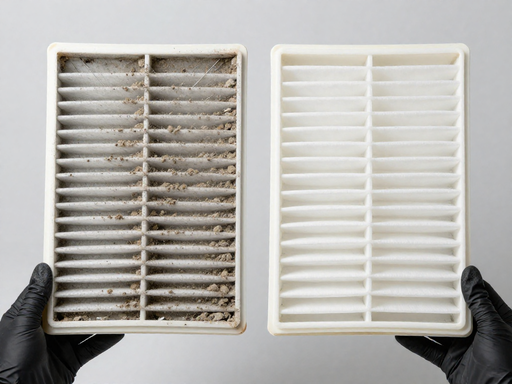
Dust is a silent enemy. Unpaved roads, construction sites, and even dry days kick up fine dust particles. These get sucked into the air intake, clogging the air filter over time. A dirty filter restricts airflow, reducing power and fuel efficiency. Worse, dust can sneak past a clogged filter and grind against engine internals. It can also find its way into the fuel system if the fuel cap seal isn’t perfect, leading to clogged fuel filters or injectors.
Your cooling system works overtime. Many scooters are air-cooled, relying on airflow over the engine fins. When temperatures soar, and you’re stuck in slow traffic, that airflow isn’t enough. Even liquid-cooled scooters have a harder time keeping temperatures down. This extra heat stress can warp seals, hoses, and gaskets, potentially causing leaks or overheating.
Stop-and-go traffic adds everyday strain. In cities like Kuala Lumpur or Penang, constant braking, idling, and sudden acceleration wear out brake pads, strain the transmission, and keep the engine running hot. This type of riding is tougher than steady cruising, meaning components like the CVT belt and clutch may wear out sooner.
Understanding these challenges helps you see why sticking to a shorter service schedule—and keeping an eye on these specific items—keeps your scooter reliable in our climate.
Recommended Service Intervals for Malaysian Roads
Manufacturers typically recommend service every 3,000 to 5,000 kilometres under normal conditions. However, Malaysia’s hot and often dusty environment qualifies as severe riding conditions, meaning you’ll need to shorten those intervals to keep your scooter reliable.
For daily commuters on dusty roads, consider a full service every 2,000 to 3,000 kilometres instead. Engine oil breaks down faster in extreme heat, so change it every 1,500 to 2,000 kilometres to protect your engine. The air filter is your first line of defence against dust—inspect it every 1,000 kilometres and clean or replace it as needed. A clogged filter reduces performance and increases fuel consumption, so this simple check pays off.
DIY Maintenance Checks Between Services
Keeping your scooter happy on Malaysian roads goes beyond the workshop. With our heat and dust, a few simple at-home checks can prevent small issues from turning into costly repairs. Here's what to look for between scheduled services.
Weekly tyre check
Hot tarmac accelerates pressure loss and can cause uneven tread wear. Use a reliable gauge to ensure both tyres match the manufacturer's recommended PSI (check your owner's manual or the sticker under the seat). While you're down there, run your hand over the tread—any bald spots or odd wear patterns mean it's time to investigate alignment or suspension.
Pre-ride brake glance
Before a long ride, especially if you're tackling KL traffic or winding kampung roads, pop open the brake fluid reservoir. The level should sit between the minimum and maximum marks. Also eye the brake pads through the caliper; if the friction material is thinner than 3 mm, plan for a change. Spongy levers? Air might have crept in—have a mechanic bleed the system.
Monthly air filter and spark plug
Dusty environments clog filters fast. Pull the air filter—most scooters make this tool-free—and hold it up to a light. If you can't see through, tap it gently to dislodge debris or replace it. While the seat is open, inspect the spark plug: a healthy one should be light brown, not black or oily. A quick clean with a wire brush works wonders.
Listen to your engine
Unusual ticks, knocks, or a rattling sound at idle can hint at low oil or thinning lubrication. In our climate, oil degrades faster, so if the dipstick shows dark, gritty fluid, top up or change it early. Trust your ears—catching a lubrication issue now could save your engine later.
These checks take only minutes, but they build a habit that keeps you safer and reduces workshop surprises.
What a Professional Service Should Cover
When you take your scooter in for a professional service in Malaysia’s heat and dust, the mechanic should go beyond just an oil change. A thorough service targets the parts most vulnerable to our climate.
- CVT system inspection: Your transmission’s belts, rollers, and variator need close attention. Fine dust can sneak past seals, causing wear and slippage. A good mechanic will open up the CVT cover, clean out any grit, and check for scoring or uneven wear.
- Fuel system cleaning: Whether your scooter uses a carburetor or electronic fuel injection, hot weather and dirty air can clog jets and sensors. Expect a proper cleaning to maintain smooth acceleration and fuel economy.
- Valve clearance check: Over time, valve clearances can tighten, especially under high engine temps. A technician should measure and adjust them to prevent hard starting or power loss.
- Coolant flush (for liquid-cooled models): Malaysia’s heat stresses the cooling system. Coolant degrades faster and loses its anti-corrosion properties. Flushing and replacing it at least yearly—or more often if you ride in heavy traffic—protects your engine from overheating.
A good service will also include the usual oil and filter changes, spark plug inspection, and brake checks, but these extras are what keep your scooter reliable in tough riding conditions.
Seasonal Tips for Haze and Dry Spells
Malaysia’s haze and prolonged dry spells aren’t just tough on your lungs—they’re brutal on your scooter. Fine dust, extreme heat, and sudden downpours after a dry stretch demand a few extra maintenance steps to keep your ride reliable.
- Swap your air filter more often. During haze season, airborne particulates clog the filter rapidly. A dirty air filter chokes the engine, reducing power and fuel economy. Inspect it monthly when the Air Pollutant Index rises, and replace it sooner than the usual interval—many workshops can do this in minutes.
- Up your lubrication game. Fine dust works like sandpaper on moving parts. Pay extra attention to throttle and brake cables, side-stand pivots, and the chain (if your scooter uses one). A dry-film lubricant can actually attract less grit than wet grease, making it ideal for dusty conditions.
- Re-evaluate your engine oil (with caution). In extreme heat, especially stop-and-go traffic under the sun, engine oil can thin out too much. Some manufacturers approve a slightly higher-viscosity oil for hotter climates—for example, moving from 10W-40 to 15W-50. Only do this if explicitly allowed in your owner’s manual; using the wrong grade can damage the engine.
- Wash your scooter regularly. It’s not just for looks. Dust can settle into electrical connectors, around the spark plug boot, and inside switch housings, causing poor starting, misfires, or corrosion. A gentle rinse with a low-pressure hose (avoiding the air intake and exhaust) followed by a dry wipe helps prevent this. Clean the radiator fins or engine cooling fins too, if accessible—better heat dissipation means longer engine life.
These small adjustments don’t take much time, but they can make a big difference in how your scooter handles the haze and heat. Stay safe and enjoy the ride, even when the skies turn grey.
FAQ
Can I service my scooter myself if I only ride short distances?
Yes, you can handle simple tasks like oil changes or air filter checks if you follow your owner’s manual and use the right tools. However, even with short rides, dust accumulation in Malaysia’s climate means components like the CVT air filter need attention. For more complex jobs, visiting a professional ensures safety and reliability.
What happens if I skip an oil change in a dusty environment?
Skipping an oil change in dusty conditions causes faster oil contamination with abrasive particles, which increases engine wear and may lead to overheating. Over time, sludge forms, reducing efficiency and risking costly damage. Stick to the recommended schedule to keep your scooter running smoothly in Malaysia’s heat.
How do I know if my air filter needs replacing?
Inspect the filter visually; if it’s heavily soiled, dark, or oily, replacement is due. You may also notice reduced fuel economy or sluggish acceleration. In Malaysia’s dusty environment, check it every 2,000–3,000 km to maintain engine performance.
Is it necessary to use fully synthetic oil in hot climates?
Fully synthetic oil is not mandatory but highly beneficial in Malaysia’s heat because it resists breakdown and sludge better than conventional oil. It helps your engine stay cooler and last longer. Always use the viscosity grade specified in your scooter’s manual.
How often should I clean the CVT air filter?
Clean the CVT air filter every 3,000–5,000 km, or more often if you frequently ride on dusty roads or near construction sites. A clogged filter reduces cooling, leading to belt and clutch wear. Regular cleaning ensures smooth power delivery and prevents expensive repairs.